
Personnel contamination control
Cleanroom Sleeve Covers: Integrated Contamination Control
Cleanroom sleeve covers are a critical layer in the personnel-to-environment contamination barrier. CleanroomLink helps pharmaceutical, electronics, and precision manufacturing teams align sleeve cover materials, construction, and packaging with their gowning protocol.
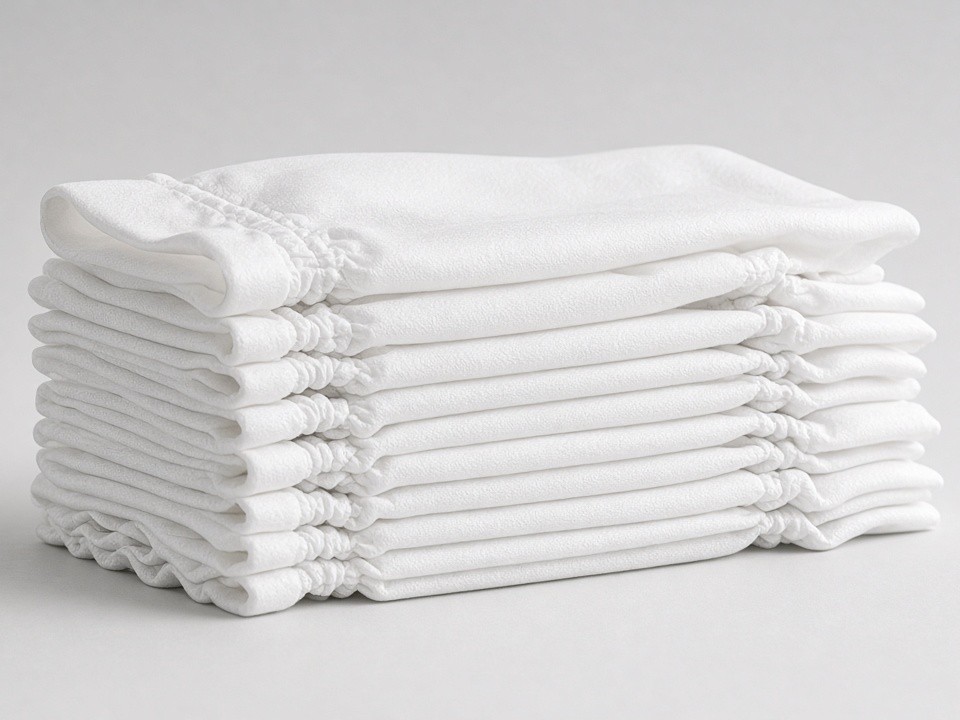
Specification map
Start with the parameters that control risk
A reliable cleanroom sleeve cover specification connects product construction with your actual contamination-control process. Use these four requirement groups to frame an efficient RFQ.
Barrier behavior
Particle shedding, ESD conductivity, fluid resistance, and breathability.
Fit and overlap
Length, cuff diameter, elastic tension, and custom sizing for the base layer.
Evidence required
ISO 14644, CE/EN, ASTM, and GMP requirements must be matched to the facility.
Use conditions
Sterile or non-sterile, reusable or single-use, and autoclave compatibility.
Buyer questions
Why small specification gaps become process problems
Sleeve covers sit at the interface between gloves, gowns, equipment, and the operator. Correct selection reduces exposed gaps and helps procurement teams maintain a consistent contamination-control profile.
Why do current sleeve covers fail at the cuffs?
Improper elastic tension or material degradation during sterilization can reduce the seal and create exposure around the glove or gown interface.
Are they compliant with our ISO Class requirements?
The required particle shedding and material profile depend on your cleanroom grade. We verify the configuration against your specific framework rather than assuming one model fits every room.
Can sleeve covers be consolidated with broader PPE procurement?
Yes. A solution-integrated supply plan can align sleeve covers with your cleanroom garments, packaging, and replenishment schedule to reduce logistics complexity.
Short answers
A cleanroom sleeve cover supplier should map product to protocol
CleanroomLink acts as a solution integrator for cleanroom sleeve covers. We do not simply ship boxes; we help match the material, cuff design, sterility status, and packaging approach to your gowning sequence.
For ESD-sensitive production
Conductive polyester options are available where anti-static properties and reusability are part of the operating model.
For aseptic processing
Sterile, low-linting material configurations can be assessed against the pharmaceutical process and sterilization method.
For wholesale programs
Annual consumption, customization, and replenishment requirements can be incorporated into a scalable sourcing plan.
Deep-dive specifications
Construction options that shape performance
The right construction depends on contamination risk, fluid exposure, operator comfort, ESD controls, and whether the sleeve covers are processed as reusable or disposable PPE.
Microporous film laminates
Considered for environments requiring a higher level of fluid protection. Final barrier requirements should be confirmed during the RFQ.
SMS nonwoven structure
Designed to balance breathability and particle barrier performance where operator comfort and controlled cleanliness both matter.
Conductive polyester
An option for ESD-sensitive areas where a reusable sleeve cover program is preferred, subject to testing and process validation.
Cuff and closure design
Secure the glove and gown interface
- Knitted cuffs: enhanced comfort for long shifts.
- Elastic cuffs: a standard seal with quick donning.
- Custom lengths: designed to overlap with coveralls or gowns and reduce gaps.
RFQ note
Fit is part of contamination control
Please identify the base layer, glove cuff, expected arm movement, and gown overlap. These details help determine length, cuff diameter, and elastic tension without relying on generic sizing.
Parameter table for procurement review
Values marked for confirmation should be finalized against your application, validation plan, and RFQ requirements.
| Field | Available direction | RFQ confirmation |
|---|---|---|
| Fabric / material | Microporous laminate / SMS / Conductive polyester | Depends on Model / Custom |
| Fabric structure | Laminated film, SMS nonwoven, or woven conductive polyester | To Be Confirmed |
| Fabric weight | Available on Request | Confirm required barrier and comfort profile |
| Closure method | Elastic / Knitted cuff | Select by gown and glove interface |
| Cuff / foot opening structure | Knitted or elastic cuff; foot opening configuration Custom | To Be Confirmed; foot opening only if required by design |
| Size | Standard or Custom | Confirm length, cuff diameter, and elastic tension |
| Color | Custom | Available on Request |
| Sterility | Sterile / Non-Sterile | Confirm sterilization or pre-sterilized requirement |
| Reuse profile | Reusable or Single-Use | Confirm reusable cycle count or disposable attribute |
| ESD option | Available | To Be Confirmed; testing report if required |
| Recommended cleanroom grade | ISO Class 4 to 8 compatible | Confirm facility class and particle limits |
| Packaging | Cleanroom-grade double-bagged | Confirm pack quantity and sterile presentation |
Use-case examples
Select coverage around the process, not only the product list
Pharmaceutical processing
Assess sterile status, low-linting behavior, gown overlap, and compatibility with aseptic handling.
Electronics assembly
Consider conductive polyester and ESD evidence where sensitive components require anti-static controls.
Precision manufacturing
Match particle shedding, fit, and operator mobility to the handling steps and cleanroom grade.
High arm movement tasks
Use targeted forearm coverage where standard gown sleeves can retract or expose the arm during work.
Selection boundaries
Sleeve covers versus full gowns and coveralls
Cleanroom sleeve covers are a targeted layer, not a universal substitute for full-body coverage. The correct choice depends on your risk assessment and the area that must be isolated.
Choose sleeve covers when
Localized component handling and high arm movement make forearm exposure the primary concern. They work best with high-cuff gloves and the existing gowning system.
Choose full gowns or coveralls when
The entire torso and limb area must be isolated from the environment, or when the process risk extends beyond the forearms.
Decision rule
If the risk is localized, sleeve covers can provide targeted protection without the heat stress of a full suit. Confirm the boundary with your contamination-control and QA teams.
Before you order
What to verify before issuing an RFQ
Providing these details helps a manufacturer or supplier recommend a configuration that can be evaluated by procurement, engineering, and compliance teams.
Particle shedding limits
State your ISO class and any facility-specific particle requirements.
ESD requirement
Confirm whether surface resistivity testing reports are required.
Gowning protocol
Identify the base layer, glove style, overlap, and operator movement.
Sterilization method
Specify autoclaving, Gamma irradiation, or pre-sterilized units.
FAQ
Clarify the adjacent product and compliance questions
Can you provide third-party test reports?
Yes. Applicable EN or ASTM test reports and certification documents can be supplied for QA and compliance review. The required evidence should be identified with the RFQ.
Are sleeve covers compatible with an existing garment supplier?
They can be matched to the existing contamination-control profile. Share the current gown, glove, material, and packaging specifications so the interface can be evaluated.
How are sleeve covers different from full gowns?
Sleeve covers target forearm exposure and are suited to localized handling risks. Full gowns or coveralls provide broader torso and limb isolation when the entire operator profile must be covered.
What is the MOQ?
MOQ varies with customization. Provide annual consumption, target packaging, and required material so a scalable pricing model can be prepared.
Quote preparation
Get a Configuration Recommendation
Avoid the risk of non-compliant PPE. Start with the cleanroom class, application environment, current pain points, and gowning interface. We will help you select the right specification before pricing.
Include these details
- Cleanroom class and applicable standards
- Material, sterility, ESD, and reuse expectations
- Length, cuff, color, packaging, and annual volume
- Required test reports or validation documents
Email:
Office: