
Cleanroom-ready supply for critical components
Precision Vacuum Packaging for Contamination-Sensitive Environments
Ordinary plastic films can shed particles, build static charge, release volatile compounds, or lose their seal during international transit. In controlled production areas, those failures can compromise product quality before the package even reaches your line.
CleanroomLink provides industrial-grade vacuum packaging solutions that combine barrier performance, seal integrity, cleanroom compatibility, and supply chain protection.
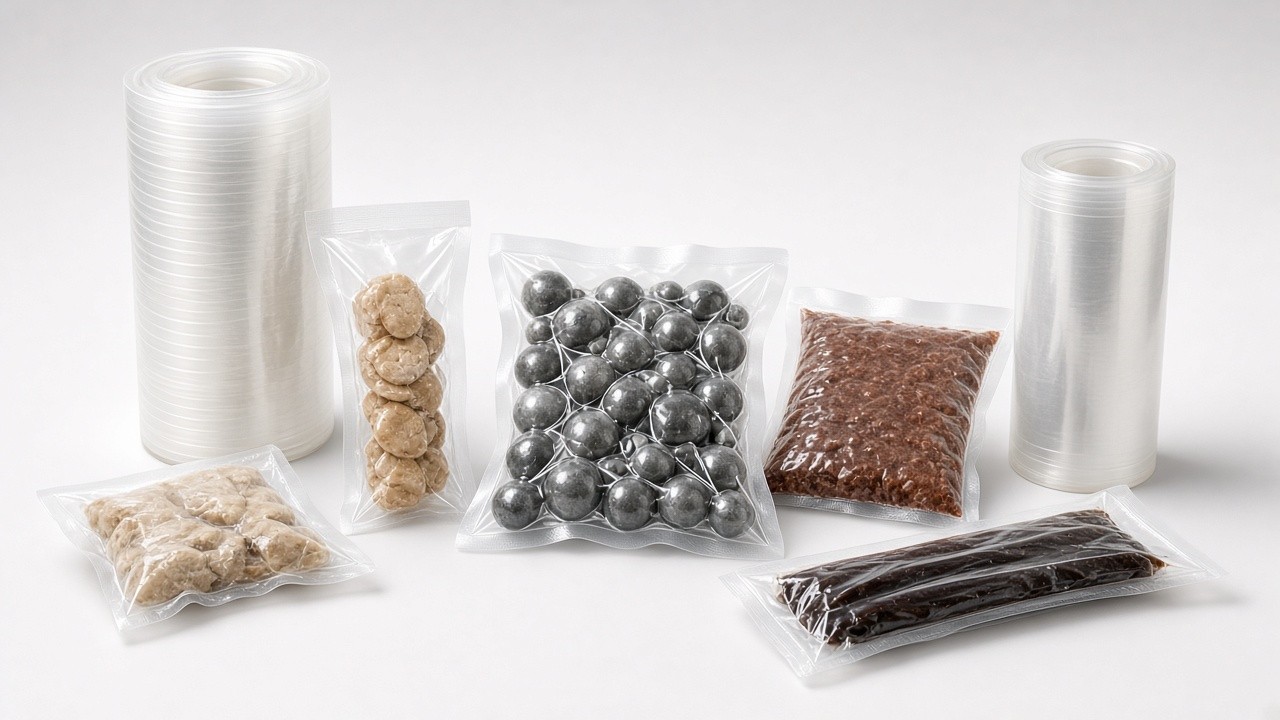
Quick Buyer Fit
Is this the right solution for your facility?
This vacuum packaging range is suited to procurement teams that need a controlled, repeatable packaging barrier rather than a basic storage bag.
Electronics and semiconductors
ESD-safe, low-outgassing moisture barrier bags for sensitive assemblies and components.
Medical devices
Puncture-resistant laminates with sterile-ready configurations available for review.
Precision components
Oxygen-barrier films designed to reduce oxidation risk during storage and transit.
Cleanroom consumables
Bulk packaging options for sensitive items entering controlled production areas.
Where It Works
Why ordinary packaging fails in controlled environments
Packaging is often the first point of contamination entry. Material choice, surface condition, seal quality, and transport handling all affect the condition of the product when it arrives.
Particle shedding
Low-quality surfaces may introduce particles during wipe-down, handling, or air-shower processing. Cleanroom-compatible outer surfaces help reduce this risk.
Seal failure
Inconsistent sealing can allow oxygen ingress, moisture accumulation, and loss of vacuum during storage or international transport.
ESD and outgassing
Static charge can attract dust or damage electronics, while unsuitable resins may release VOCs in vacuum-sealed environments.
Parameter Table
Vacuum packaging specifications for RFQ review
Use the matrix below to define your purchase specification. Final values depend on model, application, sealing equipment, and required documentation. Confirm all performance-critical fields during the RFQ stage.
| Parameter | Specification options or RFQ status |
|---|---|
| Material composition | PA/PE, PET/AL/PE, or ESD-shielding laminates; confirm product compatibility during RFQ. |
| Structure layers | 3-layer to 5-layer co-extruded or laminated structures, depending on model. |
| Thickness | 70 μm–150 μm, customizable; exact tolerance to be confirmed. |
| Surface resistance / shielding | ESD versions: 108–1011 Ω/sq; shielding performance depends on construction and is available on request. |
| Moisture and barrier performance | High-barrier oxygen and moisture options; OTR/MVTR targets to be confirmed for the application. |
| Dimensions | Custom width and length; provide product dimensions, clearance, and fill volume in the RFQ. |
| Seal method | Heat sealable and compatible with industrial vacuum sealers; machine settings require validation. |
| Cleanroom grade | ISO Class 5 to Class 8 compatible options; grade and cleaning process to be confirmed. |
| Sterility | Non-sterile, ETO, or Gamma configurations; available on request and subject to validation. |
| Transparency / color | Clear, semi-transparent, or opaque foil; depends on model and barrier construction. |
| Packaging specification | Bulk rolls, bags, or custom-packed units; pack quantity and labeling to be confirmed. |
| Typical applications | Semiconductors, PCBs, medical devices, precision components, and cleanroom consumables. |
Note: Specific values vary by model and application. Request the relevant technical data, test method, and acceptance criteria before approving a production batch.
How to Select
Match the barrier to the actual risk
The lowest purchase price is not always the lowest total cost. Select the construction around the failure mode you need to prevent.
Moisture and oxidation sensitivity
Use multi-layer foil laminates when moisture vapor transmission and oxygen exposure are more critical than visual inspection through the film. These provide stronger barrier performance than standard clear nylon-poly bags.
ESD-sensitive products
For PCBs and semiconductor handling, specify the required resistance range and shielding level. Permanent anti-static additives may be preferred over topical coatings that can wear off.
Puncture and transport stress
Heavy or sharp-edged components require a puncture-resistant structure and validated seal strength to reduce breach risk during handling, palletization, and overseas shipment.
Material and Construction
A cleanroom-oriented structure, not a single-layer compromise
CleanroomLink works with certified manufacturing partners to source vacuum packaging produced in controlled environments. The construction is selected around the required combination of sealability, puncture resistance, ESD control, transparency, and barrier performance.
Multi-layer co-extruded and laminated structures create a tortuous path for gas molecules, supporting longer protection than single-layer extruded films. The final layer combination, thickness, and surface treatment should be approved against your product and process requirements.
Selection boundary
Choose clear PA/PE when visibility and general protection are priorities. Consider PET/AL/PE or a qualified foil laminate when moisture, oxygen, light, or oxidation control is the dominant risk. Specify ESD shielding separately for electronics; standard vacuum film is not automatically ESD-safe.
Standards and Documentation
Documentation that supports QA and traceability
A qualified Vacuum Packaging manufacturer or supplier should be able to define the agreed specification and provide supporting evidence for the batch supplied.
Certificate of Conformance
Material composition and performance against the agreed purchase specification.
Test reports
ASTM or ISO test support for tensile strength, seal strength, and barrier properties, where applicable.
Regulatory declarations
RoHS and REACH declarations available on request for relevant global market requirements.
Common Buying Mistakes
Avoid paying for the wrong protection level
Over-specifying sterility
Medical-grade sterile packaging may add cost when industrial cleanroom packaging is sufficient. Confirm the required use environment before selecting ETO or Gamma options.
Ignoring ESD requirements
Standard vacuum bags are not a substitute for qualified ESD packaging when static discharge could cause latent electronics damage.
Skipping machine validation
Bag thickness, seal layer, and melting point must align with your vacuum sealing equipment and operating window.
Frequently Asked Questions
Answers for engineering and procurement teams
What is the difference between cleanroom grades?
The appropriate grade depends on the controlled area, cleaning process, particle requirements, and product sensitivity. ISO Class 5 to Class 8 compatible options are available, but the required grade and acceptance criteria must be confirmed for each application.
Can I replace my current brand-name packaging?
Yes. Provide the current bag construction, dimensions, thickness, resistance or barrier data, seal equipment, and test requirements. We can cross-reference the specification and develop a cost-optimized alternative for qualification.
How do I verify a sample before bulk purchasing?
Run internal trials for seal integrity, vacuum retention, puncture resistance, handling, cleanliness, and product compatibility. Pre-production samples can support your validation before a production batch is approved.
How should I request a quote?
Send the application, dimensions, quantity, barrier and ESD targets, cleanroom or sterility requirements, sealing equipment details, destination market, and documentation needs. Custom dimensions and lead time are available on request and depend on material availability.
RFQ Checklist
Request Batch Pricing
For distributors, factories, and long-term procurement programs, share the details below so our team can recommend a practical configuration and prepare a competitive quote.
- 01Application: What are you packaging?
- 02Dimensions: Required width, length, fill volume, and clearance.
- 03Performance: ESD, barrier, vacuum retention, puncture, or ISO cleanliness needs.
- 04Volume: Initial order, annual usage, and forecast for wholesale pricing.
- 05Compliance: ASTM, EN, ISO, RoHS, REACH, sterility, or regional documentation requirements.
Discuss your vacuum packaging specification
Contact CleanroomLink for custom sizes, model selection, sample validation, documentation, and supply planning.