
Sterile Gloves | Cleanroom Procurement
Sterile Gloves for Critical Contamination Control
In sterile manufacturing, the glove is the final barrier between the operator and the product. The right specification must balance process risk, workplace conditions, and the interface between the hand and the task.
Design variables
Material, thickness, texture, cuff length and fit
Work condition
Bioburden, chemicals, abrasion and handling stress
Interface needs
Tactile sensitivity, grip, comfort and barrier integrity
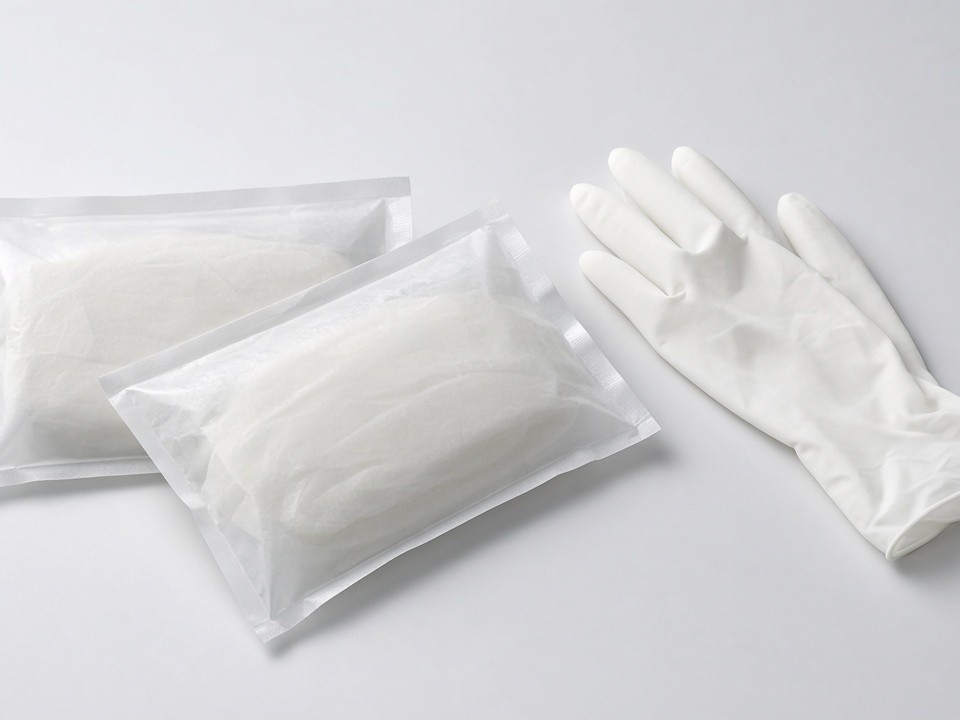
A specification-led sourcing path
CleanroomLink helps procurement, EHS, quality and engineering teams match sterile glove models to risk, cleanroom and documentation requirements.
Risk First
Start with the failure you cannot afford.
Barrier breach
Micro-perforations or material degradation can result from chemical incompatibility, sharp components or mechanical abrasion.
Contamination transfer
Particulate shedding, silicone or powder residue may transfer onto electronics, pharmaceutical components or other sensitive surfaces.
Ergonomic failure
Poor fit, low elasticity or excessive thickness can increase fatigue and operator error during complex assembly or extended wear.
Failure Modes to Specification
Product design for controlled handling
A credible sterile glove selection connects the process risk to measurable construction and documentation requirements. We source models engineered for high-stakes environments and controlled manufacturing processes.
Nitrile
Preferred where chemical resistance and puncture strength are important.
Polychloroprene
Provides an elasticity and comfort profile similar to natural rubber latex without Type I protein allergy risk.
Sterilization
Sterile offerings may use validated Gamma Irradiation or EO cycles with lot documentation such as COI or COS.
Cleanroom processing
Controlled processing helps minimize non-volatile residue and ion contamination for ISO Class 4–7 environments.
RFQ Parameter Table
Turn the operating scenario into quote-ready specifications
Use these fields to compare sterile glove models. Exact values, available certificates and commercial details must be confirmed during the RFQ stage.
| RFQ field | Specification options or status | Confirm at RFQ stage |
|---|---|---|
| Material | Nitrile, polychloroprene, latex | Required material and compatibility |
| Thickness | Finger thickness 0.08–0.15 mm; varies by model | Target thickness and tolerance |
| Length | 12 in / 300 mm standard; extended cuff options | Cuff length and sleeve interface |
| Weight | Depends on model | Required for pack and fit comparison |
| Surface texture | Fully textured, fingertip textured or smooth | Grip requirement and process sensitivity |
| Powder status | Powder-free options available | Confirm residue and powder-free requirement |
| Sterile option | Gamma Irradiated or EO; SAL 10⁻⁶ stated for applicable offering | Sterilization method and COI/COS |
| AQL | 0.65–1.5 stated for standard sterile options | Lot-specific AQL and inspection basis |
| Tensile strength | 14–20 MPa minimum, model-dependent | Test method and batch value |
| Elongation at break | Depends on model | Minimum required value |
| Size | Available on request | Hand dimensions and size range |
| Color | Depends on model | Color requirement and visual inspection |
| Cleanroom level | ISO Class 4, 5, 6 or 7 options | Target room classification and NVR/ion requirements |
| Packaging | Cleanroom-bagged, double-bagged or pair-packed sterile pouches | Pack count, bag configuration and labeling |
| Applicable standards | EN ISO 374-1, ASTM D6319/D3577 and relevant ISO requirements | Target-market standards and evidence package |
Application Matrix
Match the glove to the process, not just the industry
The same sterile glove category can perform differently across pharmaceutical, biotechnology, medical device and laboratory workflows. Start with the dominant performance requirement.
Pharmaceutical
Low bioburdenPrioritize low bioburden and chemical resistance. Nitrile with a 12-inch extended cuff may be appropriate, subject to model confirmation.
Biotechnology
Sterile barrierBalance sterile barrier performance with tactile sensitivity. Textured polychloroprene options may suit delicate handling.
Medical device
Puncture controlConsider puncture resistance and cleanliness, including nitrile models processed for ISO Class 5 environments where required.
Lab and R&D
DexterityFor frequent manipulation and chemical splash protection, thin-mil nitrile may offer a useful balance, subject to compatibility testing.
Selection Rules
Sterile cleanroom gloves are not interchangeable with exam gloves.
A similar material, such as nitrile, does not mean the same contamination-control performance or evidence package.
Environment
Exam gloves are generally made for standard clinical or general handling environments. Sterile cleanroom gloves are processed under controlled conditions.
Packaging
Sterile gloves are commonly pair-packed in sterile pouches, while exam gloves are typically bulk-packed in dispenser boxes.
Documentation
Sterile products require lot-specific sterility and cleanroom compatibility evidence not generally supplied with standard exam gloves.
Quality Evidence
Evidence that supports every shipment
CleanroomLink supports overseas procurement teams with traceability and documentation aligned to the selected model, market and application.
Certificate of Analysis
Verifies applicable physical properties and purity requirements for the supplied lot.
Certificate of Sterility
Confirms the validated sterilization cycle and applicable lot details.
Compliance verification
Supports review against ASTM, EN or ISO standards relevant to the target market and use case.
FAQ
Questions procurement teams ask before approval
How do I determine the right glove thickness?+
Base thickness on wear duration, sharp-object exposure and tactile requirements. High-frequency handling of glass or metal may call for higher-mil nitrile, while delicate assembly may favor thinner, high-elongation materials. Confirm the target value during RFQ.
What is the lead time for sterile glove orders?+
Standard items typically ship within 2–4 weeks, subject to stock availability and certification requirements. Custom or high-volume orders require a lead-time estimate at quotation stage.
Can I receive samples before a wholesale order?+
Yes. Sample testing is encouraged to verify comfort, grip, donning, cleanliness and chemical compatibility in your own production environment before committing to a bulk purchase.
What is the minimum order quantity?+
MOQ depends on whether the requirement can be fulfilled from standard inventory or needs custom sourcing, packaging or sterilization. Share your expected volume for a practical MOQ review.
Can you support custom specifications and certification files?+
Custom material, thickness, cuff, texture, packaging and cleanroom requirements are available on request. COA, COS, COI and standards documentation depend on the selected model and must be confirmed before order placement.
Request a Sample + Quote
Validate first. Scale with confidence.
Send your sterile glove specifications, application conditions, target standards and expected volume. First-time buyers can begin with samples, while procurement teams can request a compliance-driven wholesale quotation.
Prepare your RFQ
- ✓Material, size, thickness and cuff length
- ✓Cleanroom class and sterilization method
- ✓Packaging, AQL and applicable standards
- ✓Sample quantity, MOQ and forecast volume
CleanroomLink