
Industrial PPE sourcing · Cleanroom-compatible options
Cold-Resistant Gloves for Industrial and Cleanroom Environments
Choosing the wrong glove can turn low temperatures into quality defects, unplanned downtime, rework, or a compliance issue. CleanroomLink matches shell materials, thermal liners, coatings, and grip design to the actual exposure your team faces.
4
primary exposure profiles
2
commercial options returned
Material First
Start with the exposure, not the product label
Effective cold protection is a balance between the outer shell and the thermal liner. A glove that is warm but too rigid can increase handling errors; a flexible glove with inadequate insulation can create cold spots, fatigue, and unsafe grip pressure.
01 · Air temperature
Dry cold and prolonged sub-zero exposure require different insulation strategies.
02 · Contact cold
Frozen goods, metal parts, and chilled containers can transfer heat rapidly through the palm.
03 · Moisture and chemicals
Water, oil, or chemical exposure may require coating coverage and barrier performance beyond thermal protection.
Material Choices
Build the thermal-protection balance around the work
As a cold-resistant gloves supplier and manufacturer sourcing partner, CleanroomLink can compare standard and specialized constructions against your target temperature, dexterity requirement, and compliance conditions.
Outer shell and coating
Exposure control- Nitrile or latex coatings: suited to wet or oily handling where elasticity at lower temperatures matters.
- Synthetic or textile shells: useful for dry cold and situations where breathability helps limit sweat accumulation.
- Coverage selection: palm, fingertip, or full coating changes grip, moisture resistance, dexterity, and cleanability.
Thermal liner
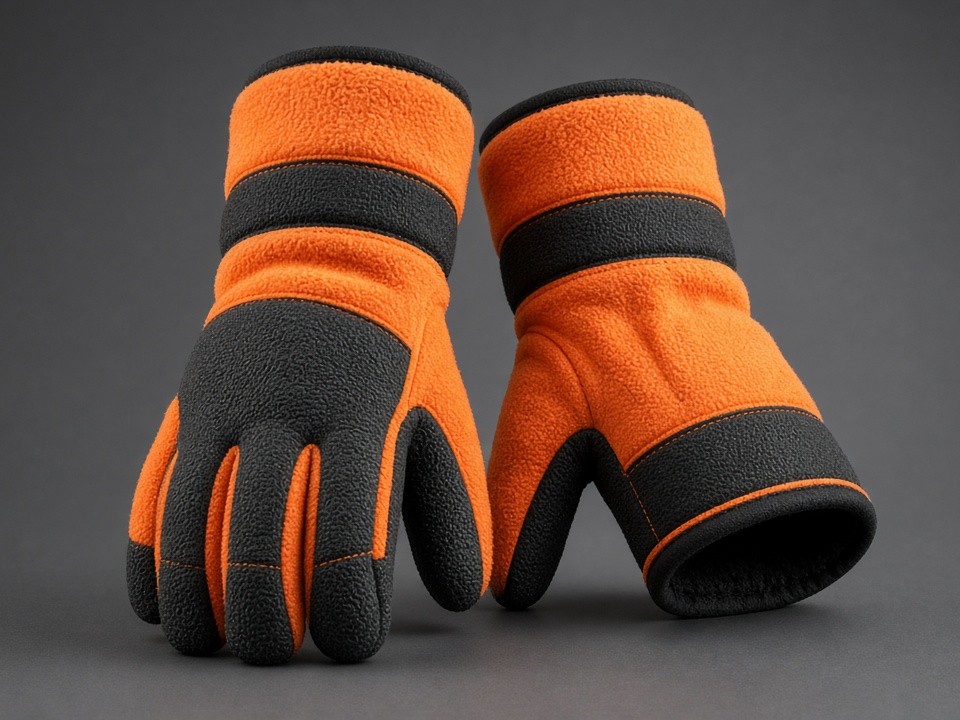
Heat retention- Acrylic or fleece: a general-purpose insulation route where flexibility and everyday wear are important.
- High-density insulation: considered for prolonged exposure or sub-zero environments, subject to dexterity requirements.
- Moisture-wicking liners: important for active work because damp hands lose heat more quickly.
Applications and risk levels
The wrong specification has a measurable operational cost
Use the primary exposure to set the minimum performance level before comparing price or order quantity.
High risk
Cryogenic and laboratory handling
Prioritize insulation, dexterity, and liquid-proof protection where cold exposure may combine with laboratory hazards.
Failure consequence: exposure, handling errors, or barrier failure.
High wear
Cold storage and logistics
Frost-prone surfaces require stable grip and abrasion resistance when workers move containers repeatedly.
Failure consequence: dropped loads, delays, and glove replacement.
Controlled risk
Cleanroom assembly
Low-linting construction and controlled materials are essential; standard industrial gloves may introduce particulates.
Failure consequence: contamination, rework, or compliance escalation.
Mixed risk
Outdoor and maintenance
Balance water resistance with protection against cuts, punctures, and variable handling conditions.
Failure consequence: reduced productivity and preventable hand injuries.
Selection boundary: standard work gloves may be adequate around ambient temperatures down to 0°C, depending on the task. For prolonged exposure below 0°C or contact with frozen surfaces, request a specialized cold-resistant construction and confirm the relevant EN 511 performance level.
Technical specifications
Define the parameters before requesting wholesale pricing
The fields below form a practical RFQ checklist. Product-specific values, test reports, tolerances, and certificates must be confirmed against the selected model.
| Parameter | Specification options / RFQ status |
|---|---|
| Base material | Nylon, polyester, acrylic, composite fiber · Depends on model |
| Coating material | Nitrile, latex, PVC, polyurethane · Confirm for the target exposure |
| Coating position | Palm-coated, fully coated, fingertip-coated · Confirm required coverage |
| Cut / abrasion / tear / puncture | EN 388 performance levels · To be confirmed by model and test report |
| Oil or chemical resistance | Depends on coating and chemical · Specify substances and exposure duration |
| Temperature range | Typically referenced from -10°C to -50°C in the brief · Depends on model; confirm target temperature |
| Grip type | Smooth, sandy, foam, crinkle · Select for dry, wet, oily, or frost-prone handling |
| Length / cuff | Standard, extended, elasticated wrist · Custom or available on request |
| Sizes | 7/S to 12/XXL referenced as an available range · Confirm size run and fit tolerance |
| Applicable standards | EN 388, EN 511, ISO, ASTM as requested · Certificates and reports available on request where applicable |
Construction Details
Small construction choices determine usable protection
A technical specification is only useful when the construction remains functional through the full work cycle.
Thermal liner and cold-soak behavior
Materials that stiffen in the cold force higher grip pressure, increasing fatigue and handling errors. Confirm flexibility at the actual target temperature.
Seam integrity and cold spots
Reinforced stitching or seamless liners can reduce premature tearing and localized cold leakage, subject to the selected model.
Coating porosity and dexterity
Heavy coating may improve barrier performance but reduce flexibility in dry areas. Match coverage to humidity, oil exposure, grip demand, and cleanroom controls.
Performance Consequences
Connect each specification to a business outcome
Quality
Loss of tactile dexterity can cause incorrect placement, damaged parts, or handling defects.
Downtime
Poor grip on frost-prone surfaces can slow loading cycles and contribute to dropped containers.
Rework
Wrong liners, seams, or coatings can cause glove failure, repeat handling, and avoidable replacement costs.
Compliance
Industrial protection does not automatically satisfy cleanroom controls or the required EN, ISO, or ASTM documentation.
FAQ
Questions procurement and quality teams should resolve
Are these gloves suitable for every cleanroom ISO class?
No. Cold-resistant gloves are not automatically cleanroom-compatible. Specify the required ISO class, such as ISO Class 5, 7, or 8, and request low-linting materials and the relevant cleanliness evidence.
How should we set the risk level for our application?
Describe air temperature, contact surface temperature, moisture, oil or chemical exposure, handling frequency, required dexterity, and mechanical hazards. These factors determine whether a standard or specialized construction is appropriate.
Can you confirm specifications and tolerances before a bulk order?
Yes. Size range, length, coating coverage, thickness, temperature performance, and other product-specific tolerances should be confirmed during RFQ and sample approval. Values are model-dependent unless documented in the quotation.
What quality acceptance documents can be requested?
Request applicable EN 388 and EN 511 test reports, material details, inspection criteria, sample approval records, and any ISO or ASTM documentation required by your purchasing or compliance process.
When should we choose specialized cold-resistant gloves instead of standard work gloves?
Choose a specialized option for prolonged exposure below 0°C, contact with frozen goods or metal, liquid or chemical hazards, cleanroom requirements, or a defined EN 511 performance target. Standard work gloves may be sufficient only for lighter ambient conditions and lower-risk tasks.
Request Material Recommendation
Compare Options for your next RFQ
Share your budget, target standard, and working conditions. CleanroomLink will return two practical routes: a standard version optimized for initial cost and an upgraded version optimized for durability, protection, and compliance.
Include these details
- Target working and contact temperature
- Primary hazards, including moisture, oil, chemicals, cuts, or punctures
- Required EN, ISO, ASTM, or cleanroom standard
- Estimated annual usage, order quantity, and size range
Send your specifications
Our sourcing team will review the operating risk and recommend a suitable material and construction route.
Email:
Phone:
Address: